Call: 08045804103
 Send Inquiry
 Send Inquiry
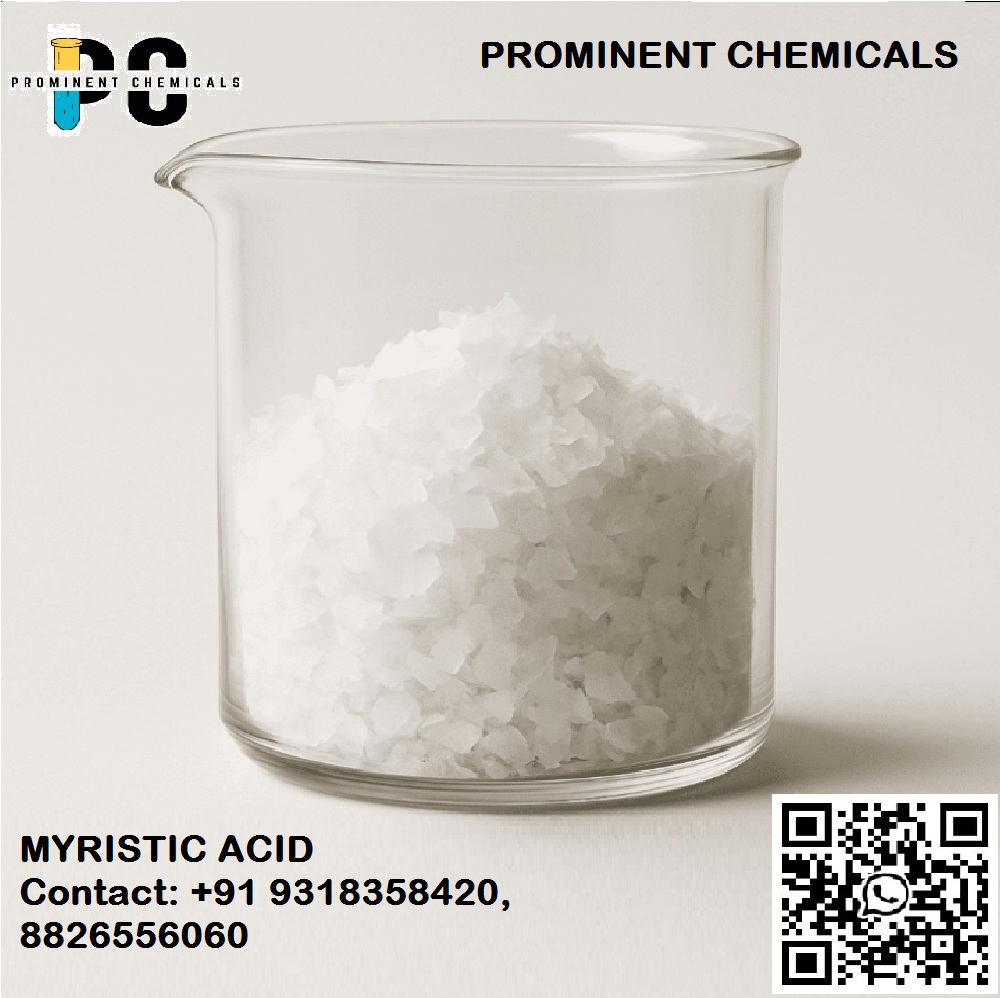
MYR ISTIC ACID
Price 1.0 INR/ Kilograms
MOQ : 1 Kilograms
MYR ISTIC ACID Specification
- Purity
- 99%
- Form
- Solid
- Other Names
- Myristic Acid
- Storage
- Dry Place
- Chemical Name
- Myristic Acid
- Standard
- COSMETIC
- Usage
- Myristic Acid is widely used in cosmetic and personal care products mainly for its cleansing, foaming, emulsifying, and texture-enhancing properties. It is a key ingredient in soap bars where it reacts with alkalis to form soap molecules that help remove dirt and oil from the skin effectively. In facial cleansers and body washes, it contributes to rich, stable foam that improves the overall cleansing experience and spreadability of the product. It is also used in shampoos to help generate lather and assist in removing excess oil and impurities from the scalp and hair. In shaving creams and foams, myristic acid improves foam density and helps provide smoother razor glide, reducing friction during shaving. The ingredient is often included in cleansing bars and syndet (synthetic detergent) soaps to enhance hardness, longevity, and cleansing performance. In cosmetic emulsions such as creams and lotions, it works as a co-emulsifier that helps stabilize oil and water mixtures, improving product consistency. It also contributes to a creamy, smooth skin feel, making formulations more pleasant during application. Myristic acid is used in deodorant sticks and other personal care products to improve texture and structural stability. In some formulations, it helps enhance the penetration and performance of other cleansing agents by improving surfactant systems. It is also used in industrial and cosmetic surfactant blends where controlled foaming and cleansing are required.
- Main Material
- Myristic Acid
- Application
- Other
MYR ISTIC ACID Trade Information
- Minimum Order Quantity
- 1 Kilograms
- Delivery Time
- 1 Week
About MYR ISTIC ACID
Tell us about your requirement

Price:
Quantity
Select Unit
- 50
- 100
- 200
- 250
- 500
- 1000+
Additional detail
Mobile number
Email

More Products in SKIN CARE Category
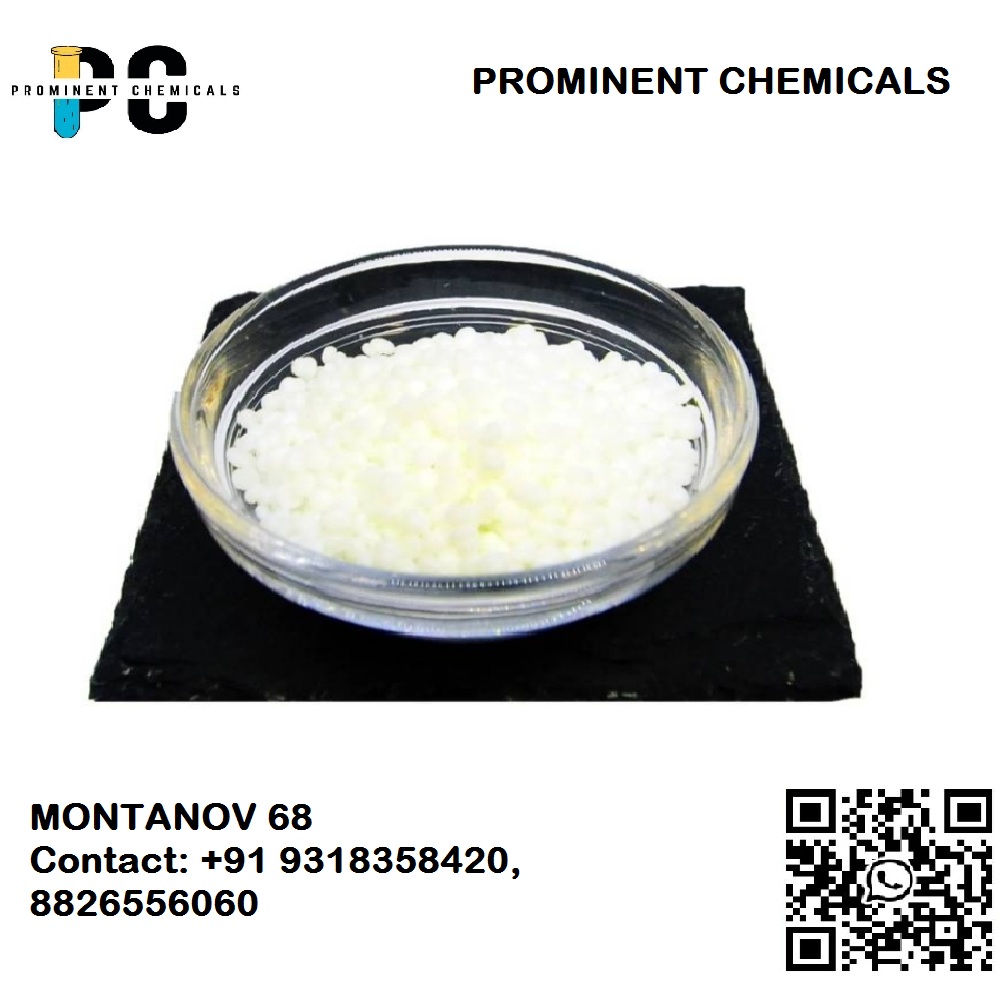
MONTA NOV 68
Price 1.0 INR / Kilograms
Minimum Order Quantity : 1 Kilograms
Purity : 99%
Shape : FLAKES
Other Names : Montanov 68
Main Material : Montanov 68
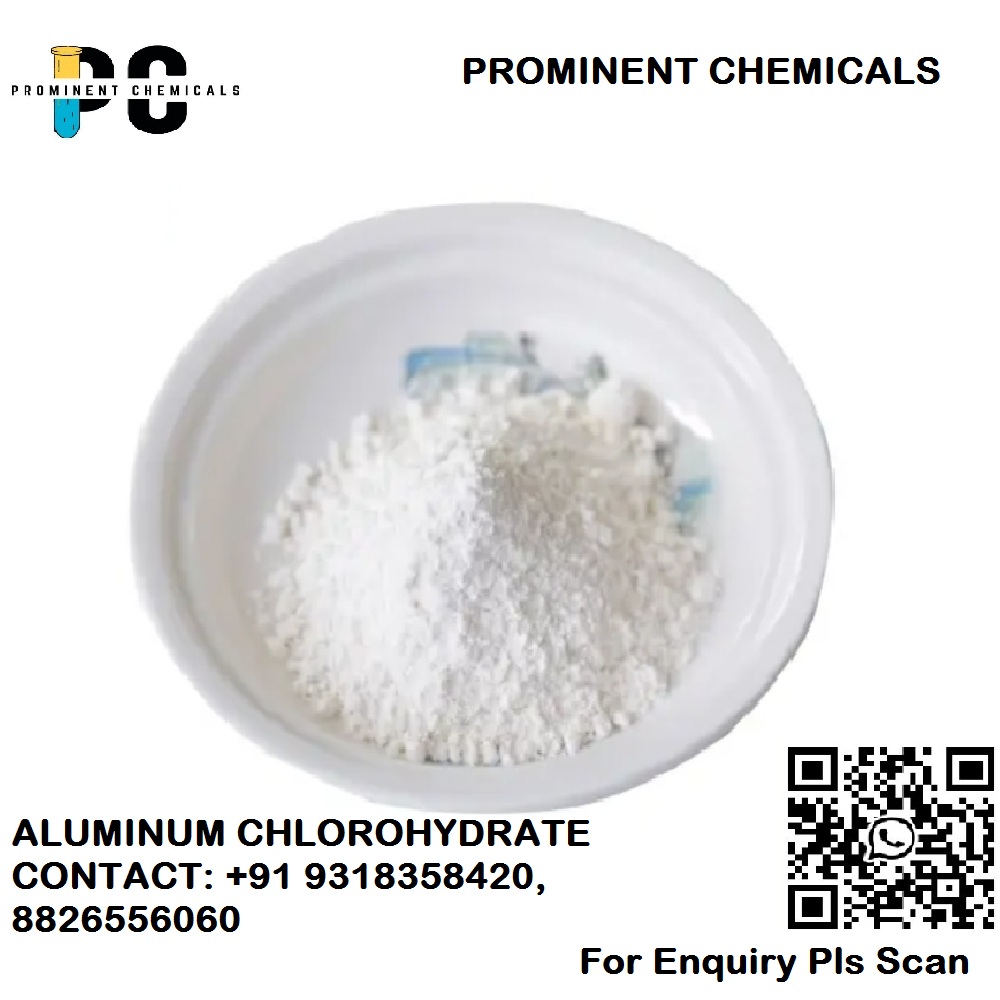
PRO ACH(P)
Minimum Order Quantity : 1 Kilograms
Purity : 99%
Shape : LIQUID
Other Names : PRO ACH(P)
Main Material : pro ach (P)
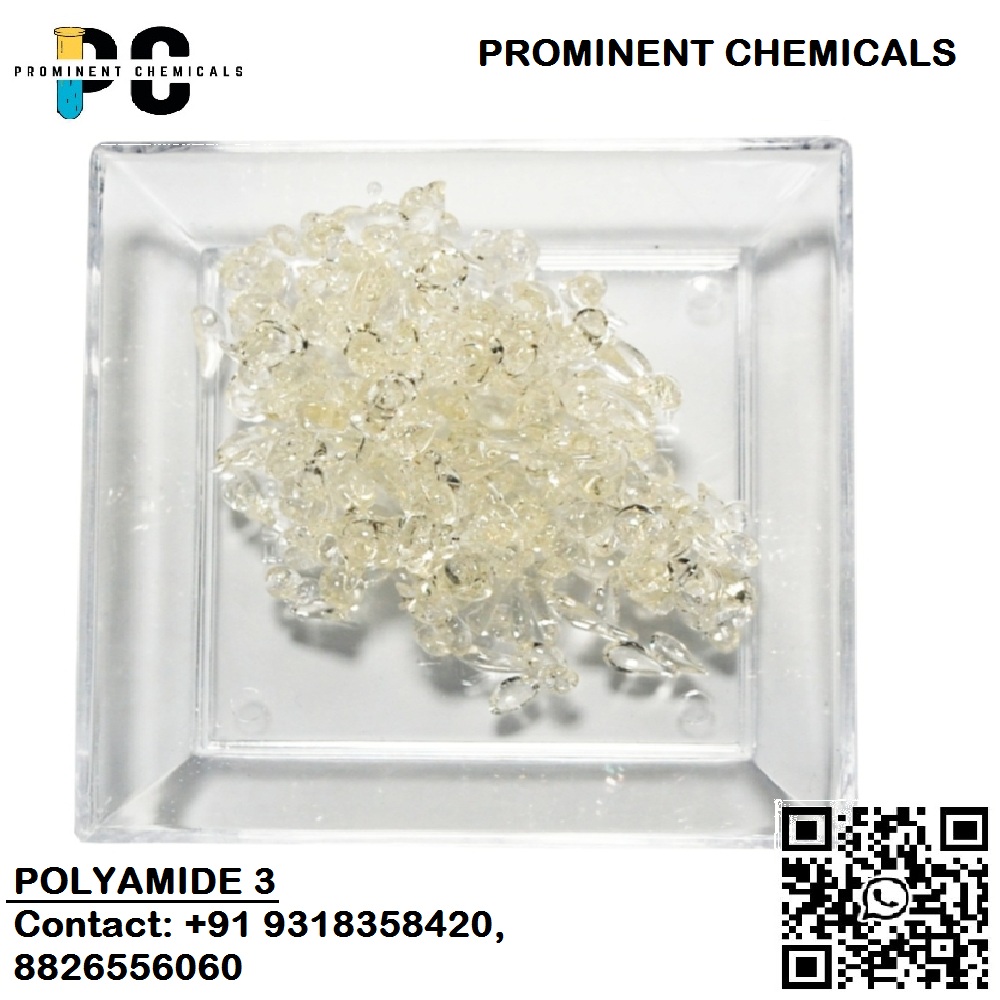
POLY AMIDE 3
Price 1.0 INR / Kilograms
Minimum Order Quantity : 1 Kilograms
Purity : 99%
Shape : PELLETS
Other Names : POLYAMIDE 3
Main Material : POLYAMIDE 3
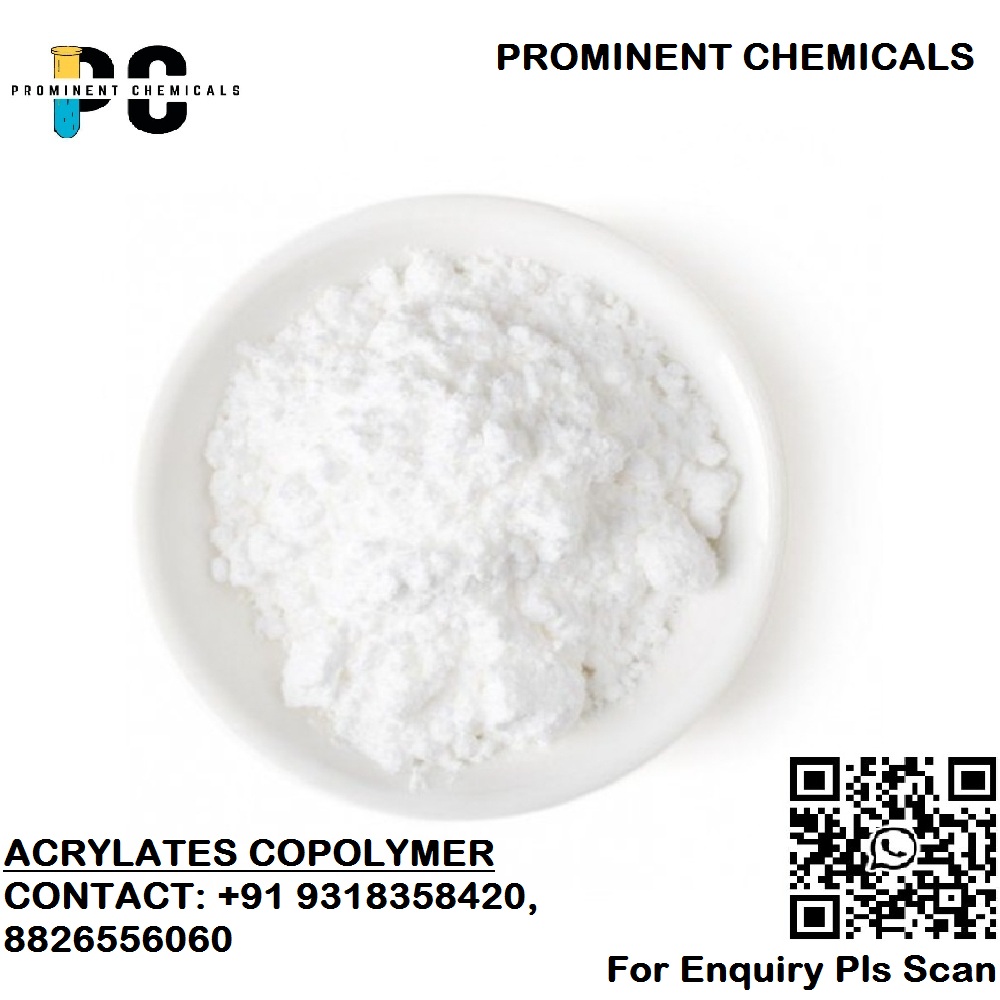
ACRYLATE COPOLYMER
Minimum Order Quantity : 1 Kilograms
Purity : 99%
Shape : powder
Other Names : ACRYLATES COPOLYMER
Main Material : ACRYLATES COPOLYMER

Contact Details
PROMINENT CHEMICALS
GST : 07AOUPY9794F2ZM
- Shop No. - 3 & 4, 1 G.T karnal Road Industrial Area, Opp. Gujrawala Town 1st,Delhi - 110033, India
- Phone :08045804103
 Send Inquiry
Developed and Managed by Infocom Network Private Limited.
