Call: 08045804103
 Send Inquiry
 Send Inquiry
Guar Hydroxypropyl Trimonium Chloride
Price 1.0 INR/ Kilograms
MOQ : 1 Kilograms
Guar Hydroxypropyl Trimonium Chloride Specification
- Form
- Powder
- Storage
- Dry Place
- Purity
- 99%
- Other Names
- Guar Hydroxypropyltrimonium Chloride
- Chemical Name
- Guar Hydroxypropyltrimonium Chloride
- Grade
- Other
- Standard
- COSMETIC
- Usage
- In cosmetic and personal care formulations, Guar Hydroxypropyltrimonium Chloride is typically used at 0.1% to 2.0%. In shampoos and body washes, usage levels generally range from 0.1 0.5% to provide conditioning and improve sensory properties. In conditioners, hair masks, and intensive treatment products, concentrations of 0.2 2.0% are commonly used to enhance detangling, softness, and manageability. In facial cleansers and skincare products, usage levels typically range from 0.1 0.5% as a conditioning and viscosity-modifying agent. The exact concentration should be determined based on the desired conditioning effect, viscosity requirements, and overall formulation performance.
- Main Material
- Guar Hydroxypropyltrimonium Chloride
- Application
- Other
Guar Hydroxypropyl Trimonium Chloride Trade Information
- Minimum Order Quantity
- 1 Kilograms
- Delivery Time
- 1 Week
About Guar Hydroxypropyl Trimonium Chloride
Guar Hydroxypropyltrimonium Chloride is a cationic derivative of natural guar gum widely used in cosmetic and personal care formulations for its conditioning, detangling, and thickening properties. It appears as a cream to light yellow free-flowing powder and is highly valued in hair care products due to its ability to deposit onto negatively charged hair surfaces. This substantivity helps improve hair softness, smoothness, manageability, and wet combability while reducing static electricity and flyaway hair. Guar Hydroxypropyltrimonium Chloride forms a protective conditioning film on the hair, enhancing shine and providing a silky feel without excessive buildup. In skincare formulations, it functions as a conditioning and viscosity-modifying agent, improving product texture and sensory performance. The ingredient is commonly used in shampoos, conditioners, hair masks, body washes, facial cleansers, and styling products. It is particularly effective in sulfate-free and mild surfactant systems, where it enhances conditioning performance while maintaining rich foam characteristics. Its excellent compatibility with a wide range of surfactants and cosmetic ingredients makes it one of the most widely used conditioning polymers in personal care products.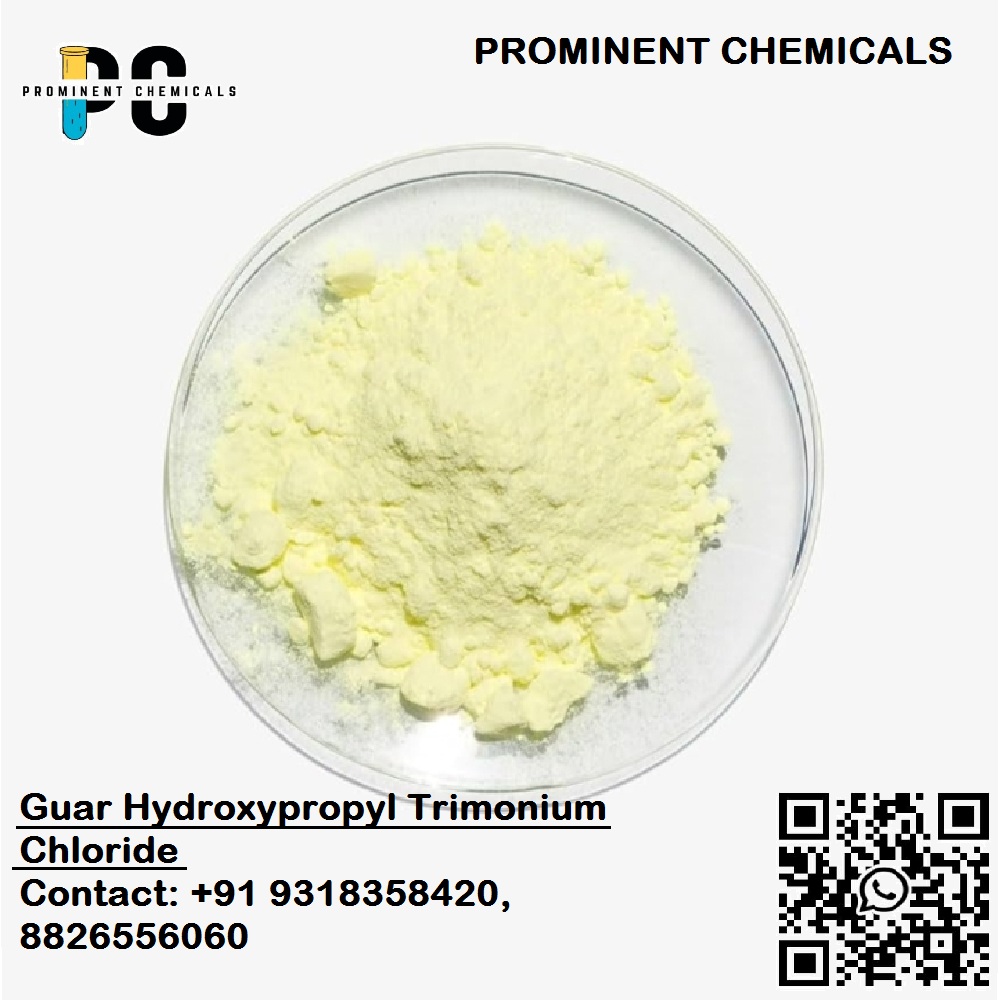
Tell us about your requirement

Price:
Quantity
Select Unit
- 50
- 100
- 200
- 250
- 500
- 1000+
Additional detail
Mobile number
Email

More Products in SKIN CARE Category
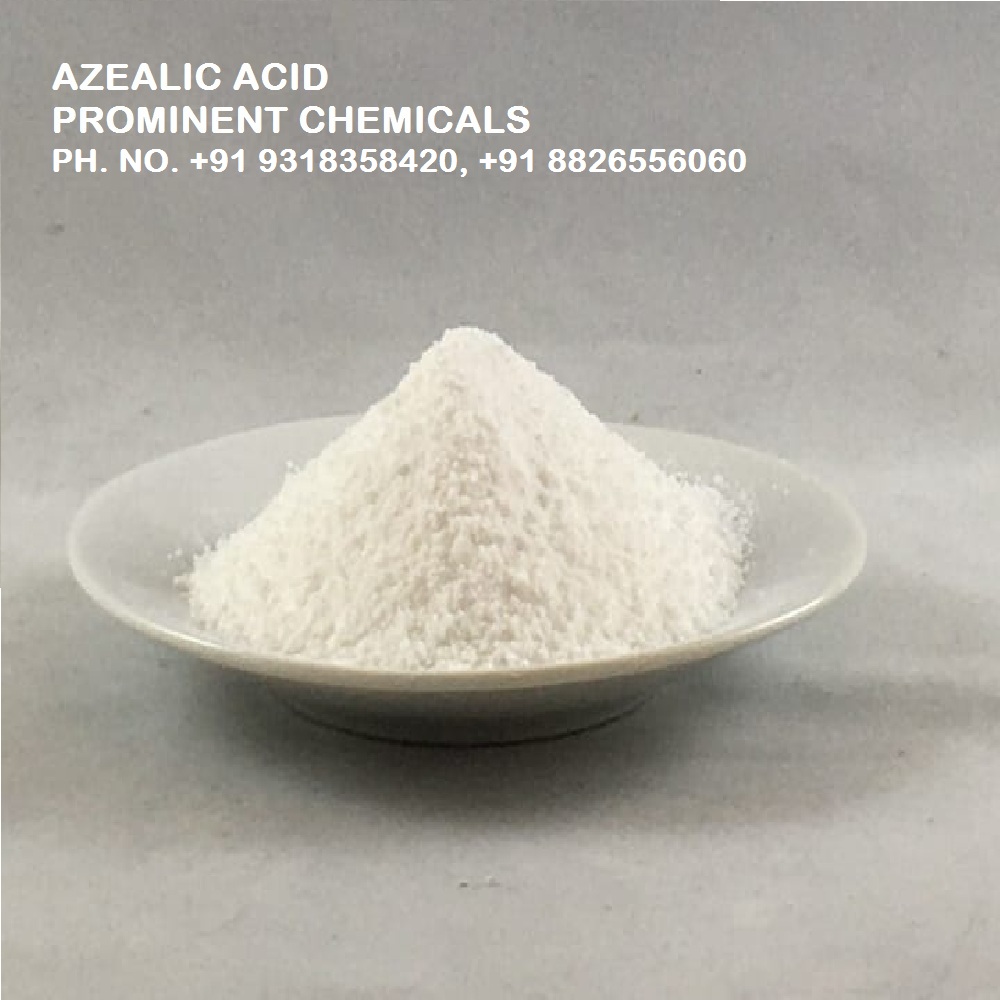
PRO A Z A
Price 50.0 INR / KGS
Minimum Order Quantity : 1 KGS
Purity : 99%
Chemical Name : Azelaic acid
Application : Other
Form : Powder
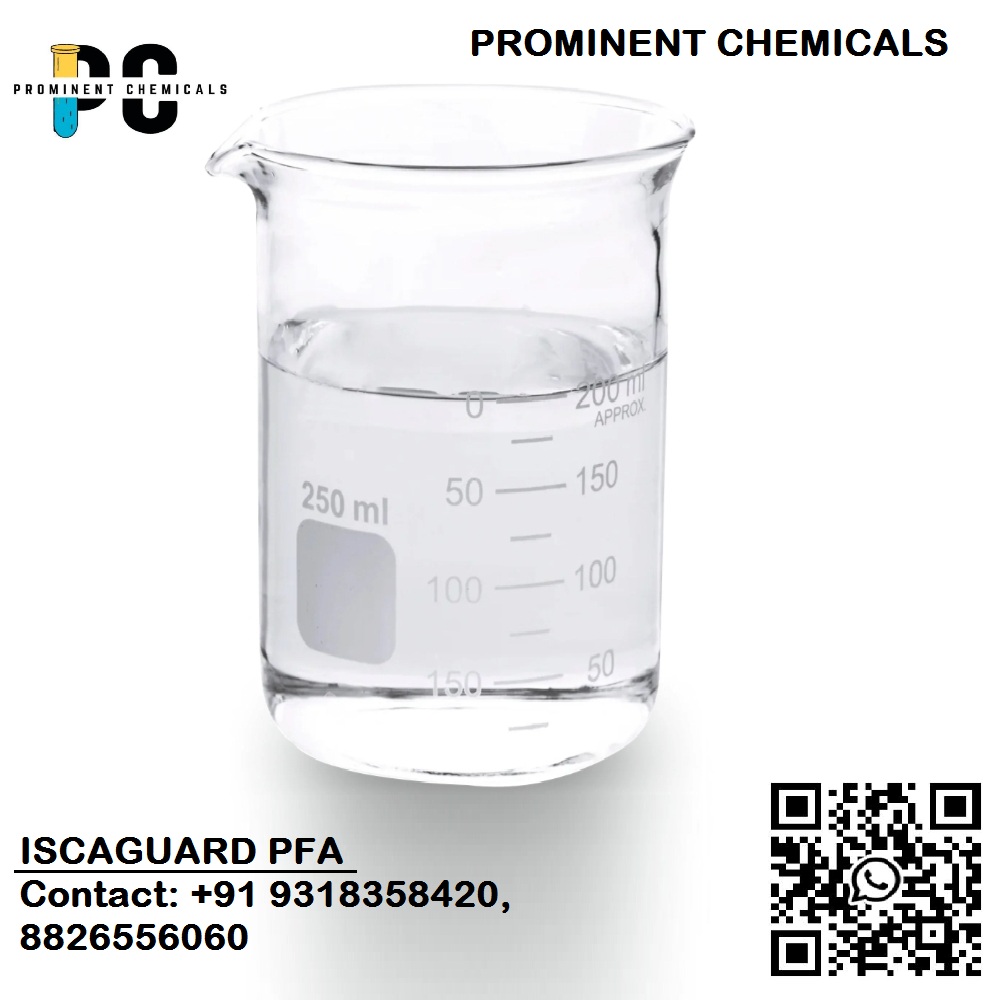
ISCA GUARD PFA
Price 1.0 INR / Kilograms
Minimum Order Quantity : 1 Kilograms
Purity : 99%
Chemical Name : Iscaguard PFA
Application : Other
Form : Liquid
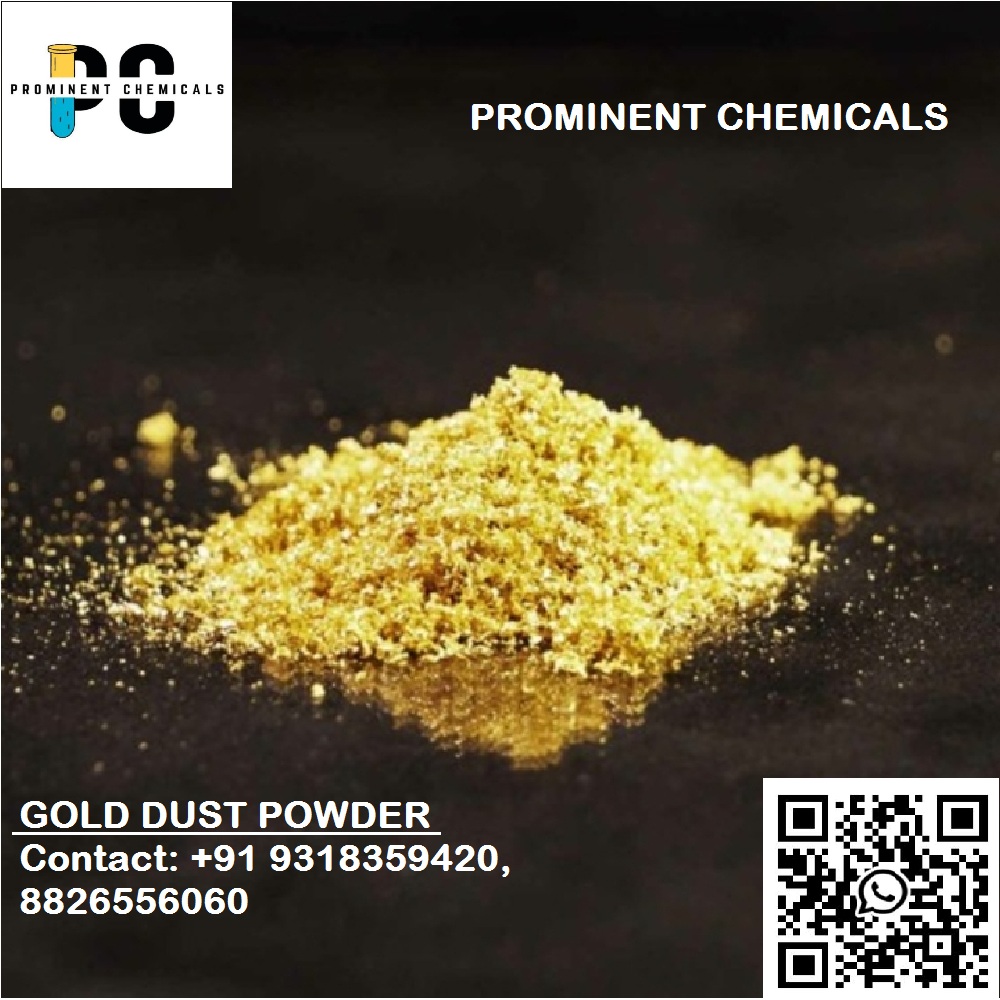
GOLD DUST POWDER
Price 1.0 INR / Kilograms
Minimum Order Quantity : 1 Kilograms
Purity : 99%
Chemical Name : Gold Dust Powder
Application : Other
Form : Powder
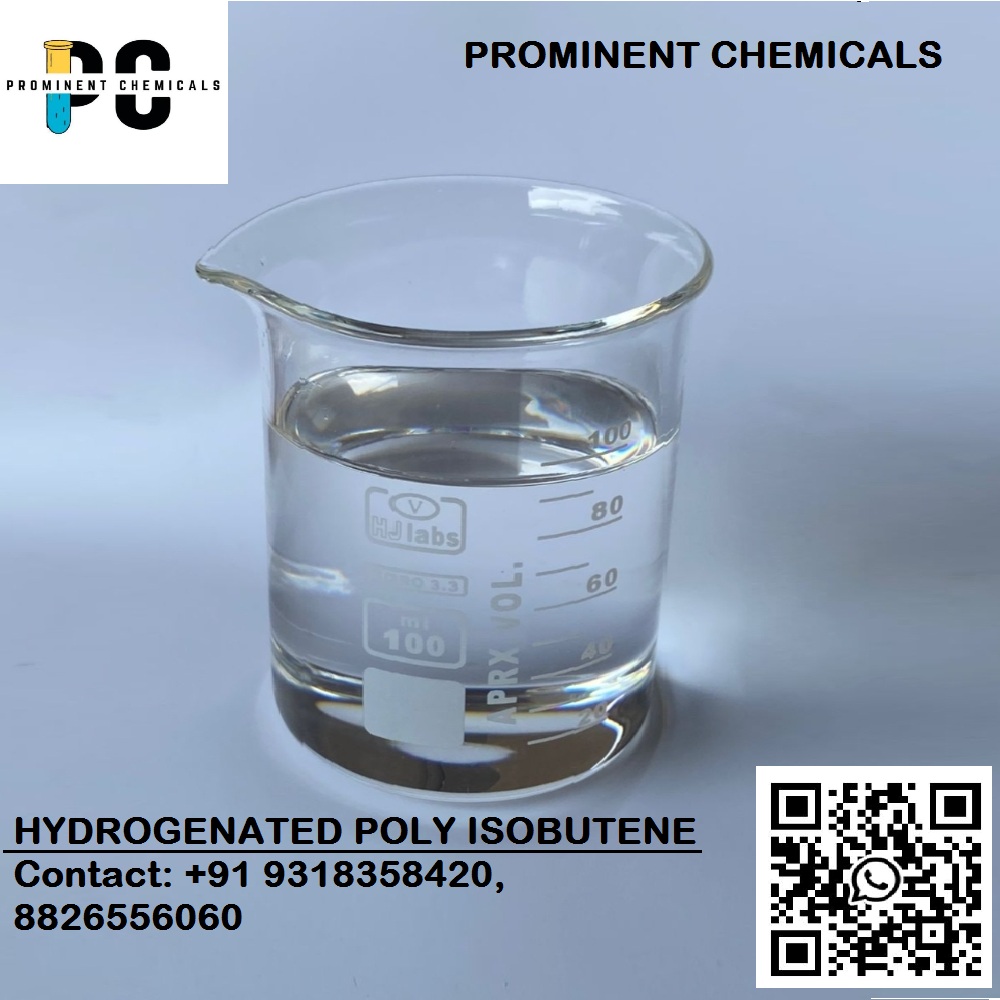
HYDROGENATED POLY ISOBUTENE
Price 1.0 INR / Kilograms
Minimum Order Quantity : 1 Kilograms
Purity : 99%
Chemical Name : Hydrogenated Polyisobutene
Application : Other
Form : Liquid

Contact Details
PROMINENT CHEMICALS
GST : 07AOUPY9794F2ZM
- Shop No. - 3 & 4, 1 G.T karnal Road Industrial Area, Opp. Gujrawala Town 1st,Delhi - 110033, India
- Phone :08045804103
 Send Inquiry
Developed and Managed by Infocom Network Private Limited.
