Call: 08045804103
 Send Inquiry
 Send Inquiry
ISO PROPYL ALCOHOL
Price 1.0 INR/ Kilograms
MOQ : 1 Kilograms
ISO PROPYL ALCOHOL Specification
- Form
- Liquid
- Storage
- Dry Place
- Other Names
- Isopropyl Alcohol
- Purity
- 99%
- Chemical Name
- Isopropyl Alcohol
- Grade
- Other
- Standard
- COSMETIC
- Usage
- In cosmetic and personal care formulations, Isopropyl Alcohol is typically used at 1% to 70% depending on the product type. In lotions, toners, deodorants, and hair care products, usage levels generally range from 1 20%. In makeup removers and cleansing products, concentrations of 5 50% may be used. In hand sanitizers and antiseptic preparations, levels of 60 70% are commonly employed to achieve effective antimicrobial activity. The exact usage level should be determined based on formulation requirements, product performance, regulatory compliance, and skin compatibility considerations.
- Main Material
- Isopropyl Alcohol
- Application
- Other
ISO PROPYL ALCOHOL Trade Information
- Minimum Order Quantity
- 1 Kilograms
- Delivery Time
- 1 Week
About ISO PROPYL ALCOHOL
Isopropyl Alcohol is a clear, colorless, volatile liquid widely used in cosmetic, personal care, pharmaceutical, and industrial formulations. It is characterized by its rapid evaporation rate, excellent solvency, and antimicrobial properties. Isopropyl Alcohol is commonly used as a solvent, antiseptic, cleansing agent, and viscosity-reducing ingredient in a variety of products. In cosmetic formulations, it helps dissolve and disperse ingredients that are not readily soluble in water, improving product clarity and stability. It is frequently incorporated into hand sanitizers, aftershaves, deodorants, hair tonics, nail care products, makeup removers, and cleansing formulations. Due to its fast-drying nature, Isopropyl Alcohol provides a refreshing, non-sticky feel and leaves minimal residue after application. It can also enhance the penetration of certain active ingredients into the skin. In hair care products, it assists in reducing drying time and improving product spreadability. Because excessive amounts may cause skin dryness, it is typically used at controlled levels depending on the intended application. Its broad utility and cost-effectiveness make it one of the most widely used solvents in cosmetic manufacturing.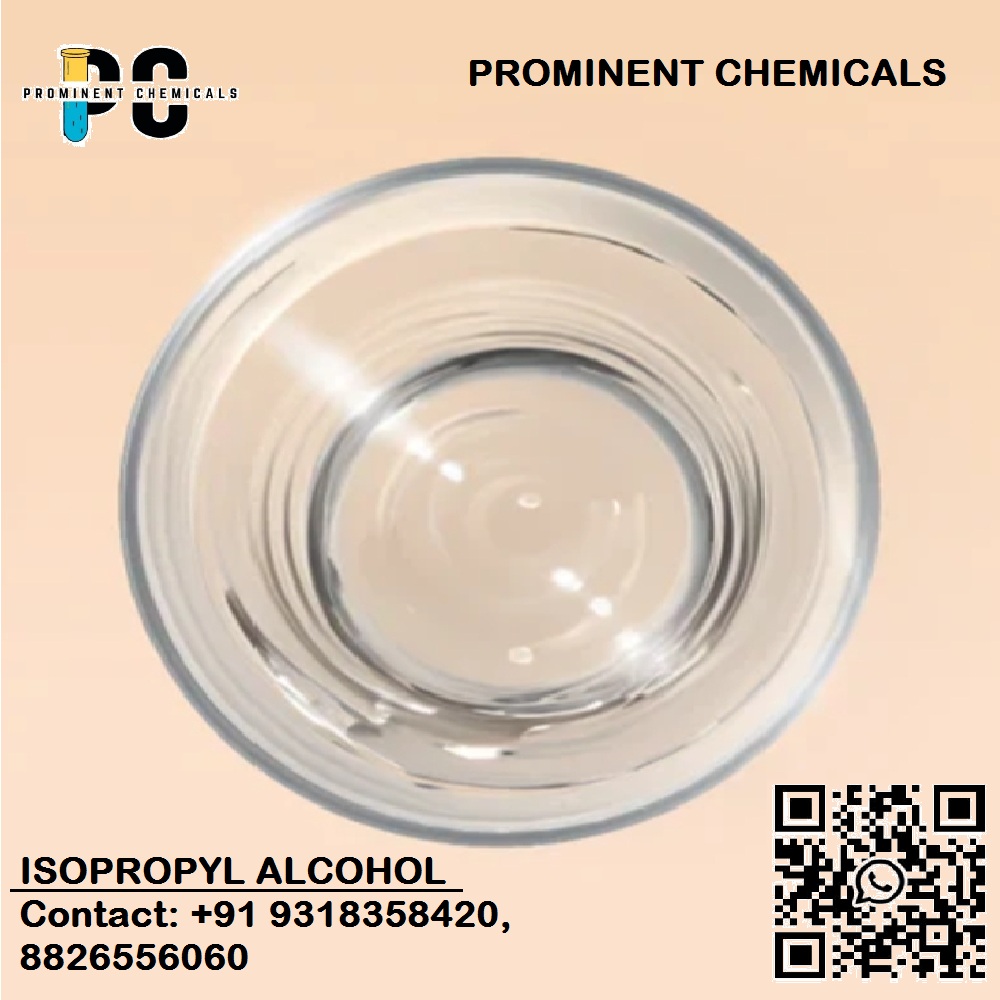
Tell us about your requirement

Price:
Quantity
Select Unit
- 50
- 100
- 200
- 250
- 500
- 1000+
Additional detail
Mobile number
Email

More Products in SKIN CARE Category
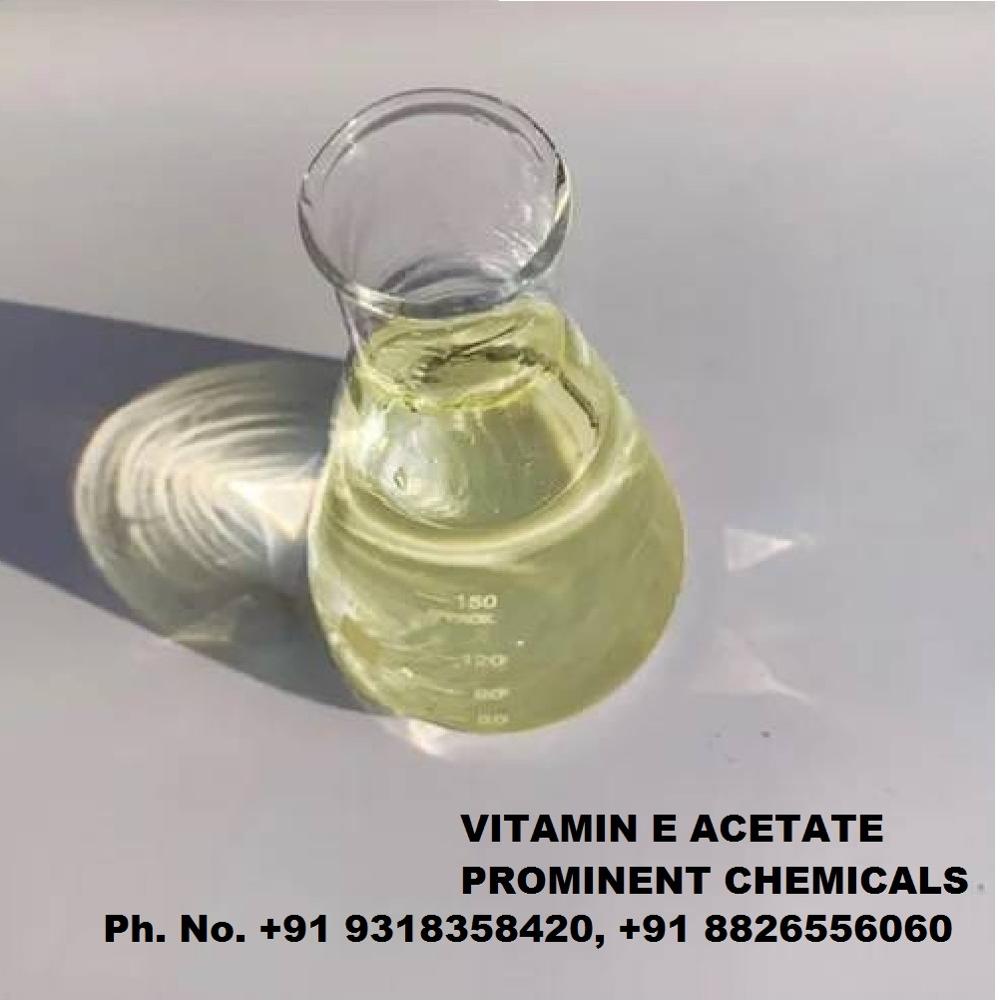
VITAMIN E ACETATE
Price 50.0 INR / KGS
Minimum Order Quantity : 1 KGS
Purity : 99%
Chemical Name : Vitamin e acetate
Storage : Room Temperature
Form : Liquid
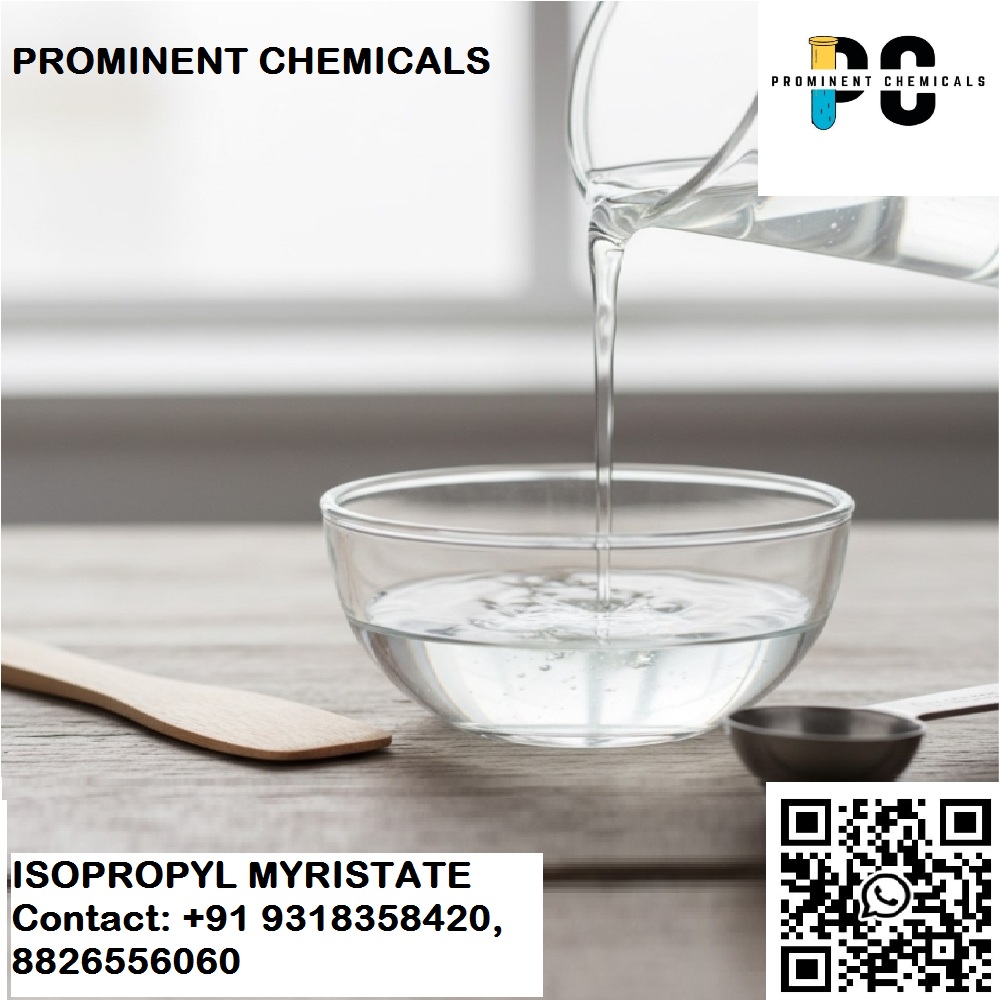
ISO PROPYL MYRISTATE
Price 1.0 INR / Kilograms
Minimum Order Quantity : 1 Kilograms
Purity : 99%
Chemical Name : Isopropyl Myristate
Storage : Dry Place
Form : Liquid
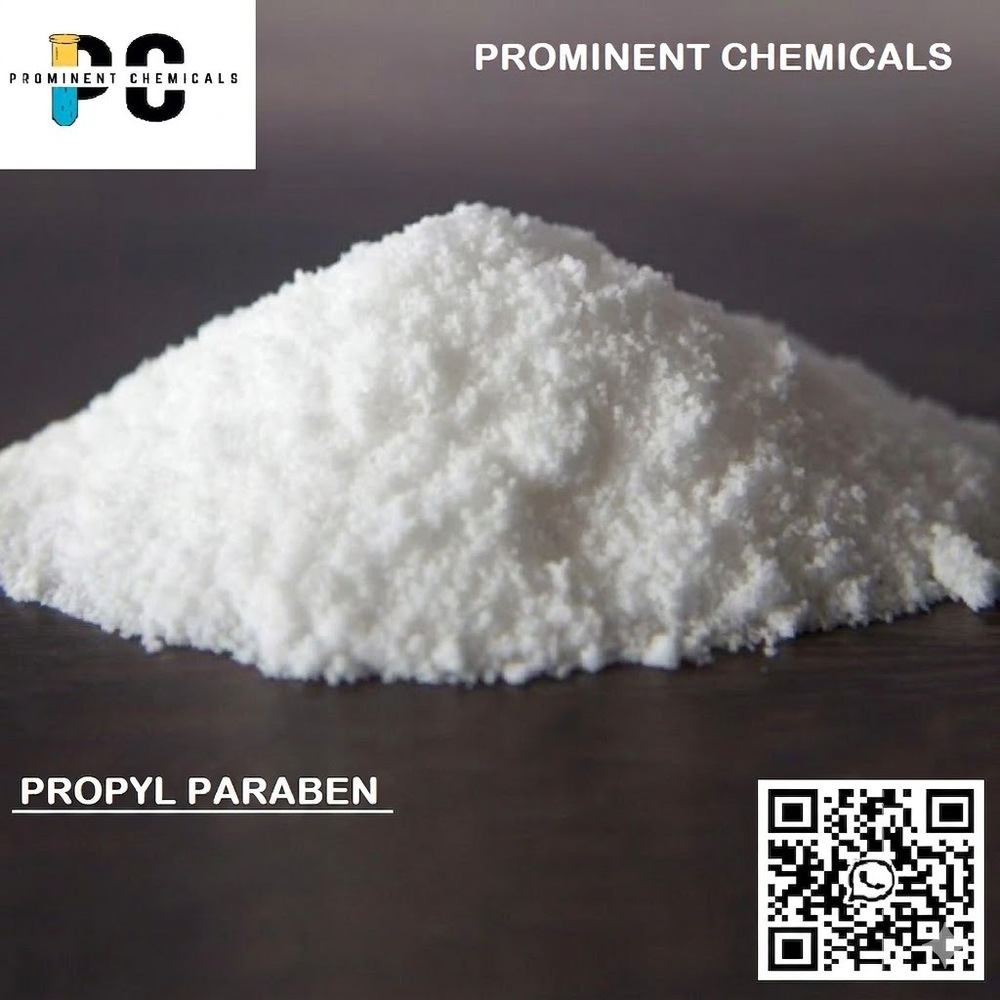
PROPYL PARA BEN
Price 1.0 INR / Kilograms
Minimum Order Quantity : 1 Kilograms
Purity : 99%
Chemical Name : PROPYL PARABEN
Storage : Dry Place
Form : Powder
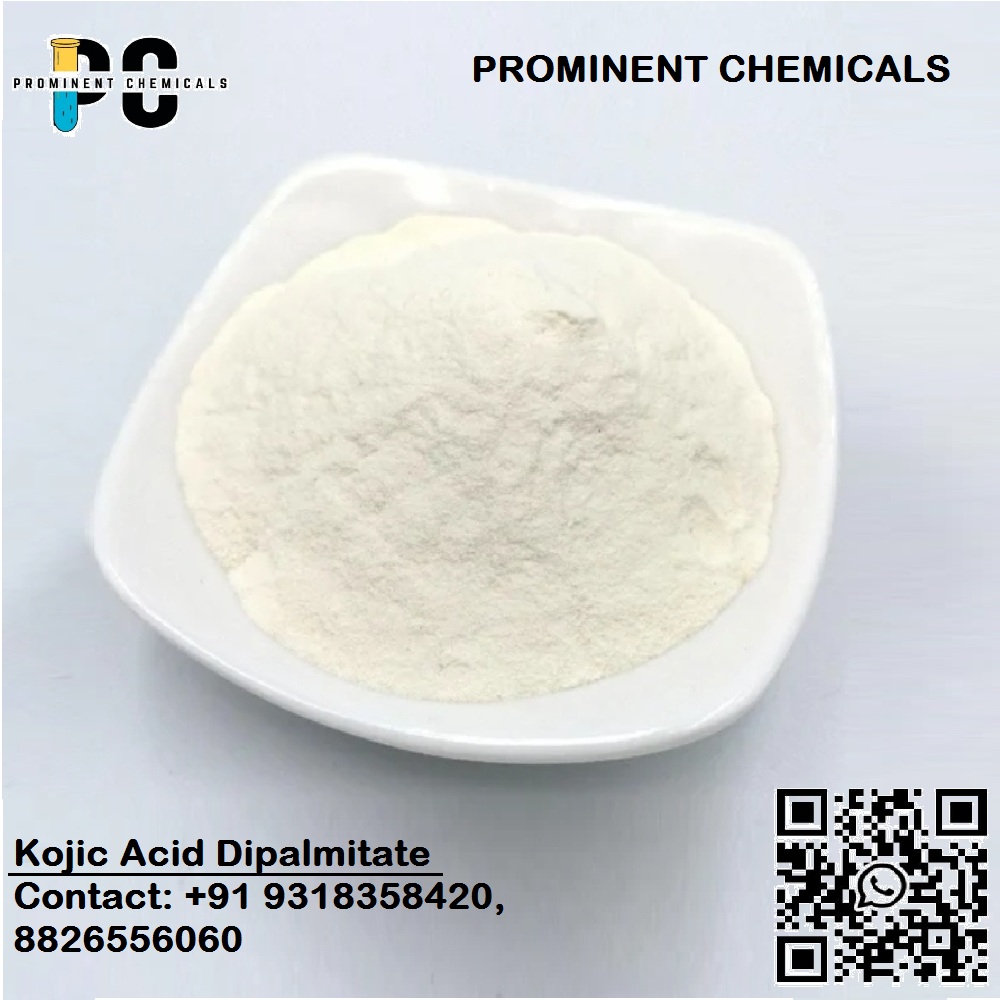
Kojic Acid Dipalmitate
Price 1.0 INR / Kilograms
Minimum Order Quantity : 1 Kilograms
Purity : 99%
Chemical Name : Kojic Acid Dipalmitate
Storage : Dry Place
Form : Powder

Contact Details
PROMINENT CHEMICALS
GST : 07AOUPY9794F2ZM
- Shop No. - 3 & 4, 1 G.T karnal Road Industrial Area, Opp. Gujrawala Town 1st,Delhi - 110033, India
- Phone :08045804103
 Send Inquiry
Developed and Managed by Infocom Network Private Limited.
